HYPERTENSION & OTHER CHRONIC ILLNESS
Have You Been Diagnosed With Hypertension?
The CFHC Hypertension Program offers home monitoring for patients with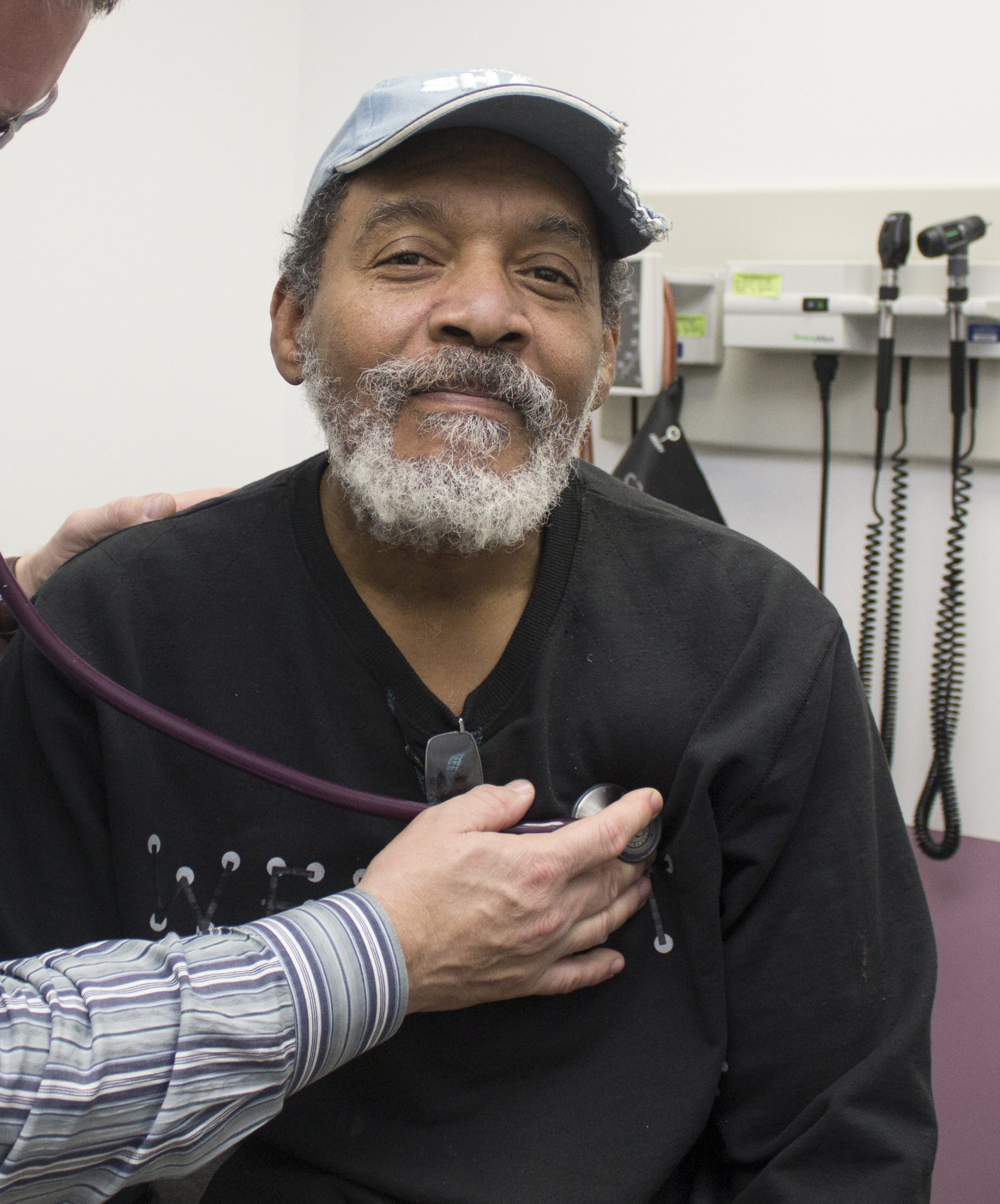 chronic hypertension. Patients receive FREE blood pressure monitors to encourage them to check their blood pressure at home on a regular basis. A CFHC clinical team monitors their readings remotely and provides proper instructions, information, and resources. Patients can also connect with their care team from home. FREE Sano Health devices preloaded with free internet are also available to anyone without access to internet. They Hypertension Program is available at all sites. Patients with chronic hypertension can call 773-768-5000 and ask about the Hypertension Program.
Click here for info brochure in English
Click here for info brochure in Spanish
Other Chronic Disease Management
Chronic illnesses or long-term health conditions include high blood pressure, asthma or diabetes. We offer healthcare programs that not only address the symptoms that these conditions cause, but also help you manage your treatment and overall healthcare plan so you can maintain a better quality of life. Through a coordinated approach, your provider along with your Care Coordination team comprised of nurses and other clinical staff will help develop the best course of treatment for you including:
- Medication
- Therapy
- Health education
- Referral to a specialist.
Your provider and Care Coordination team will help you manage your condition and your care to obtain the best health outcomes.
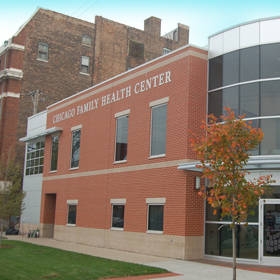
CHRONIC DISEASE MANAGEMENT IS OFFERED AT THESE CHICAGO FAMILY HEALTH CENTER LOCATIONS
SOUTH CHICAGO | PULLMAN | EAST SIDE | CHICAGO LAWN | ROSELAND